From citizen voices to shared ideas.
Bema turns scattered citizen ideas into clear, well-supported proposals — judged on merit, not on who speaks. The pilot is non-binding: it carries that signal to the competent public authority to listen, respond, and, if it commits, turn it into action.
A collective intelligence aggregator
Like a flight or hotel aggregator brings order to a scattered market, Bema gathers dispersed citizen knowledge and turns it into useful signal. Ideas are judged on content — not on who says them — overlaps merge, moderation is drawn by lot, and sustained support is measured. The result is a clearer, more representative, traceable proposal; never an automatically binding decision.
We do not aggregate posts. We aggregate what a community knows.
Every contribution passes through mechanisms that separate signal from noise: guided writing, duplicate detection, blind moderation, and conviction-based support. Bema preserves the valuable core of each idea and helps compatible proposals converge.
The opposite logic of a social network
Social networks tend to aggregate immediate reaction, identity, virality, and conflict. Bema is designed to aggregate judgement: less impulse, less personal prominence, and more context, synthesis, and collective usefulness.
Collect
Open a channel where local knowledge and concrete needs can surface.
Distil
Remove repetition, noise, and authorship bias while preserving the useful core of the idea.
Converge
Concentrate support around clear proposals that express genuinely shared intelligence.
From idea to action in five steps
Each mechanism addresses a real democratic failure. Together, they form a complete civic infrastructure.
Propose
One carefully considered proposal per month. Guided 'thought pills' help you structure the problem, solution, and who benefits — no blank-page paralysis.
Discover
AI-powered semantic analysis shows existing proposals on the same topic. Join forces instead of fragmenting support — your quota is returned as a reward for collaboration.
Moderate
Seven randomly chosen citizens evaluate your proposal blindly — they don't know who wrote it. They must read it fully before voting. If rejected, you receive constructive feedback.
Build conviction
The community allocates limited support votes. Sustained backing over time weighs more than last-minute surges — conviction voting rewards genuine consensus.
Escalate to the institution
When consensus thresholds are met, the proposal reaches the competent institution with its support and process documented. In the pilot this does not legally require execution; any implementation commitment must be explicitly assumed by the public authority.
The proposals list is available after sign-in.
Five design principles
Every mechanism addresses a specific failure of existing participation tools.
Scarcity as value
Limited quotas and attention budgets force reflection, eliminate spam, and ensure every contribution carries weight.
Structural depolarisation
Proposals are evaluated blindly. Moderators don't know the author — ideas are judged on merit alone.
Sortition democracy
Moderation by rotating citizen panels chosen by lottery. No self-appointed gatekeepers, no platform employees.
Influence without false promises
Bema makes citizen consensus visible, structured, and institutionally legible, but it does not make a proposal binding by itself. A public authority may voluntarily commit to a response, resources, or execution.
Simple surface, robust depth
A clean interface for citizens. Behind it: brigading detection, minority protections, and transparent audit trails.
Built on 2,500 years of democratic wisdom
In 508 BC, Athens created a system where any citizen could address the Assembly as an equal. The kleroterion randomly selected officials. Conviction was earned through argument, not status. Bema carries forward these principles — sortition, equal voice, merit-based evaluation — while correcting the exclusions that marred the original.
From Switzerland's recurring referendums to Ireland's Citizens' Assembly and Taiwan's consensus-oriented digital platforms, the deliberative tradition lives on. Bema synthesises these lessons into a coherent civic tool for the 21st century.
Read the full story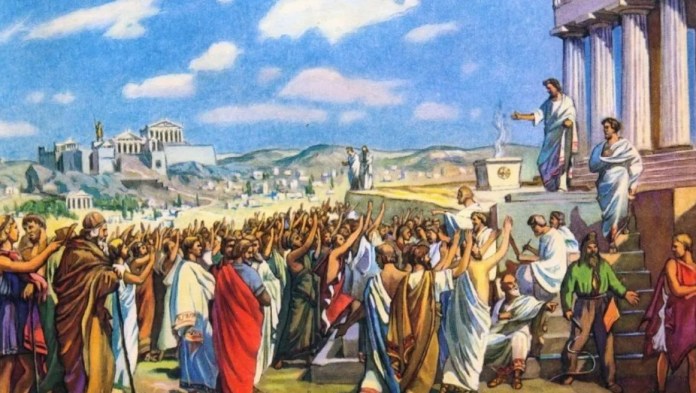
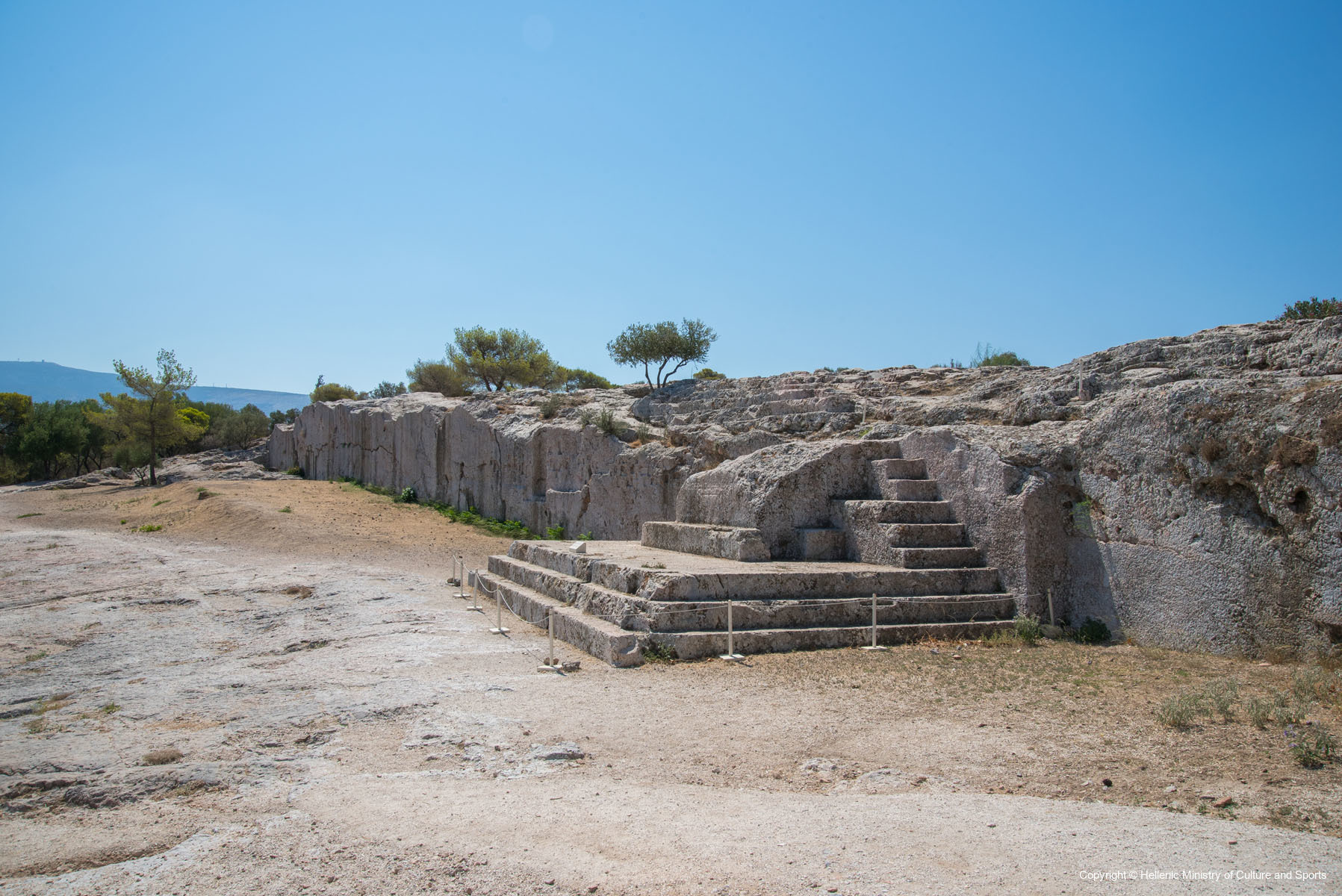
Pnyx hill, Athens — the bema stone
Why "Bema"?
The bema (Greek: βῆμα) was the stone speaker's platform on the Pnyx hill in Athens — the physical place where any citizen could step up and address the assembly. It embodied isegoria: not a throne for rulers, but a step carved into rock for anyone willing to speak. This platform names our project because it captures the same promise: a level surface where every voice starts equal.
Democracy is a practice, not a product.
Join the pilot and help shape how civic decisions are made — starting in your community.