Bema
Vision

We Were Told It Was Democracy. It Isn't.

If democracy means shared power, civic dignity, and real influence over decisions, we still have a long way to go. Here we explain how we got here and how we can shape what comes next.

Twenty-five centuries ago, on a rocky hill west of the Acropolis, ordinary citizens of Athens gathered to debate and decide the laws that governed their lives. They called this practice *demokratia*—the power of the people. It was radical, imperfect, and transformative.

Today, most of us live in systems we call democracies, yet the space between citizens and decisions has grown vast. We vote every few years, then watch from the sidelines. How did we get here? What can we learn from those who dared to experiment? And how might a platform called Bema help close that gap—not with revolution, but with careful, evidence-based design?

This is a story told in four acts.

Act I — The Dream
01

Where Democracy Was Born

In 508 BC, an Athenian nobleman named Cleisthenes dismantled the old aristocratic order and created something unprecedented: a political system where every male citizen—rich or poor—could speak in the Assembly, propose laws, and vote on matters of war and peace. There were no parties and no elected legislators. Citizens governed directly, meeting on the Pnyx hill overlooking the city, where the speaker's platform faced not a senate but the entire citizenry.

The Athenians developed remarkable institutional tools. The kleroterion, a stone device still preserved in the Agora Museum, randomly selected citizens for public office—ensuring that power rotated and no one could monopolize it. Isegoria, the equal right to address the Assembly, meant that a potter's argument carried the same formal weight as a general's. The Council of Five Hundred, chosen by lot, set the agenda. These were not naive experiments; they were sophisticated designs tested over nearly two centuries.

But Athens also teaches a cautionary lesson. Its democracy excluded women, enslaved people, and foreigners—the majority of its population. Innovation in mechanisms coexisted with profound injustice in membership. Any modern system that draws on Athenian tools must also correct Athenian exclusions.

How Bema addresses this

Bema draws directly on two Athenian innovations: sortition (random selection of citizen moderators, echoing the kleroterion) and isegoria (every verified community member can propose ideas, evaluated on merit, not authorship). Crucially, it extends participation to all community members, correcting the exclusions that marred the original.
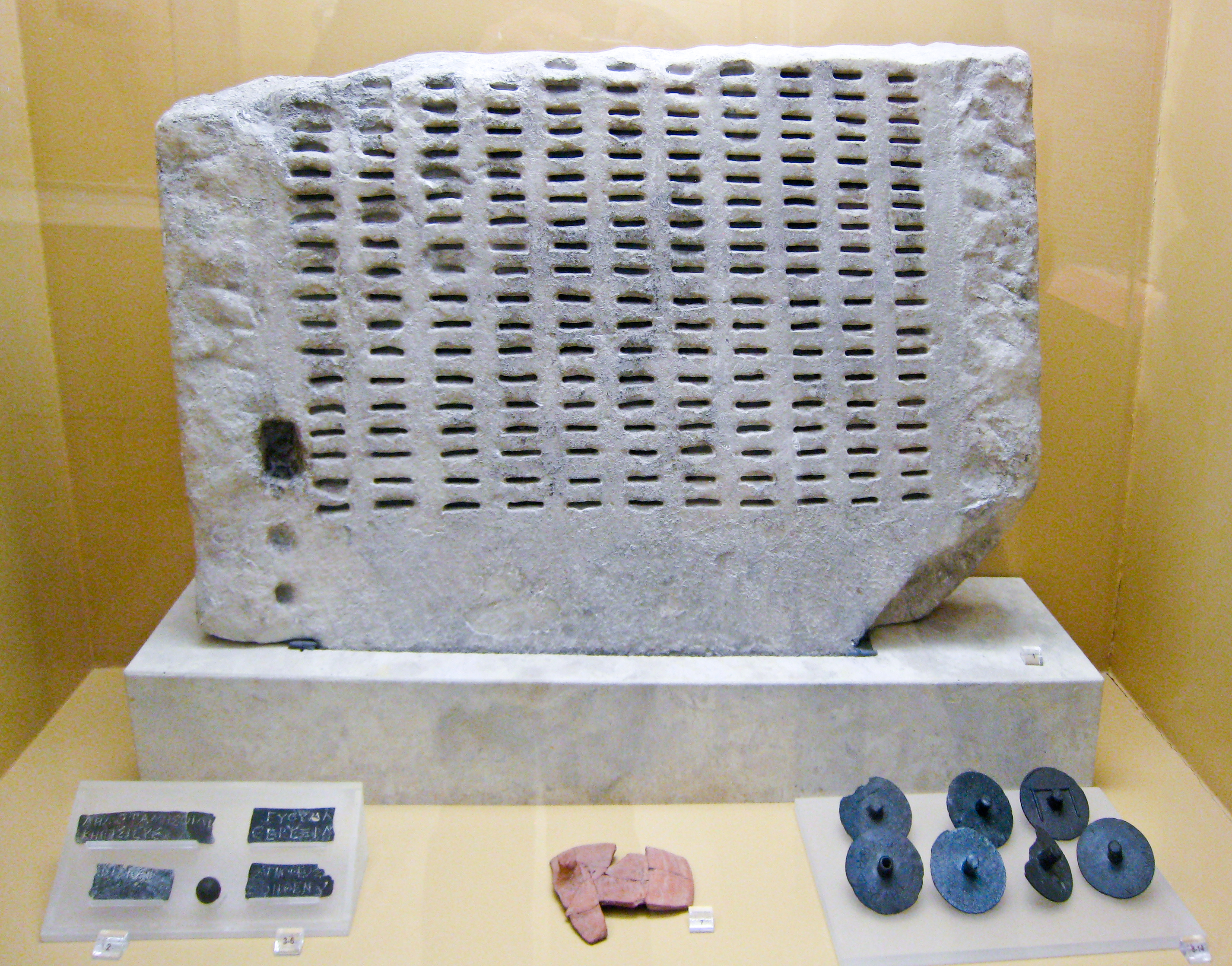
Kleroterion device used for civic sortition in ancient Athens

Our constitution does not copy the laws of neighbouring states; we are rather a pattern to others than imitators ourselves.

02

When Representation Became a Filter

After Athens fell to Macedon in 322 BC, democratic practice entered a long eclipse. Rome experimented with republican institutions—the Senate, the tribunes of the plebs, popular assemblies—but power consolidated steadily until the Republic dissolved into Empire. Medieval Europe developed parliaments, but these represented estates and nobility, not common people. The Icelandic Althingi (930 AD) and the Catalan Corts (1283) kept flickering threads of assembly alive, yet true popular sovereignty remained out of reach for centuries.

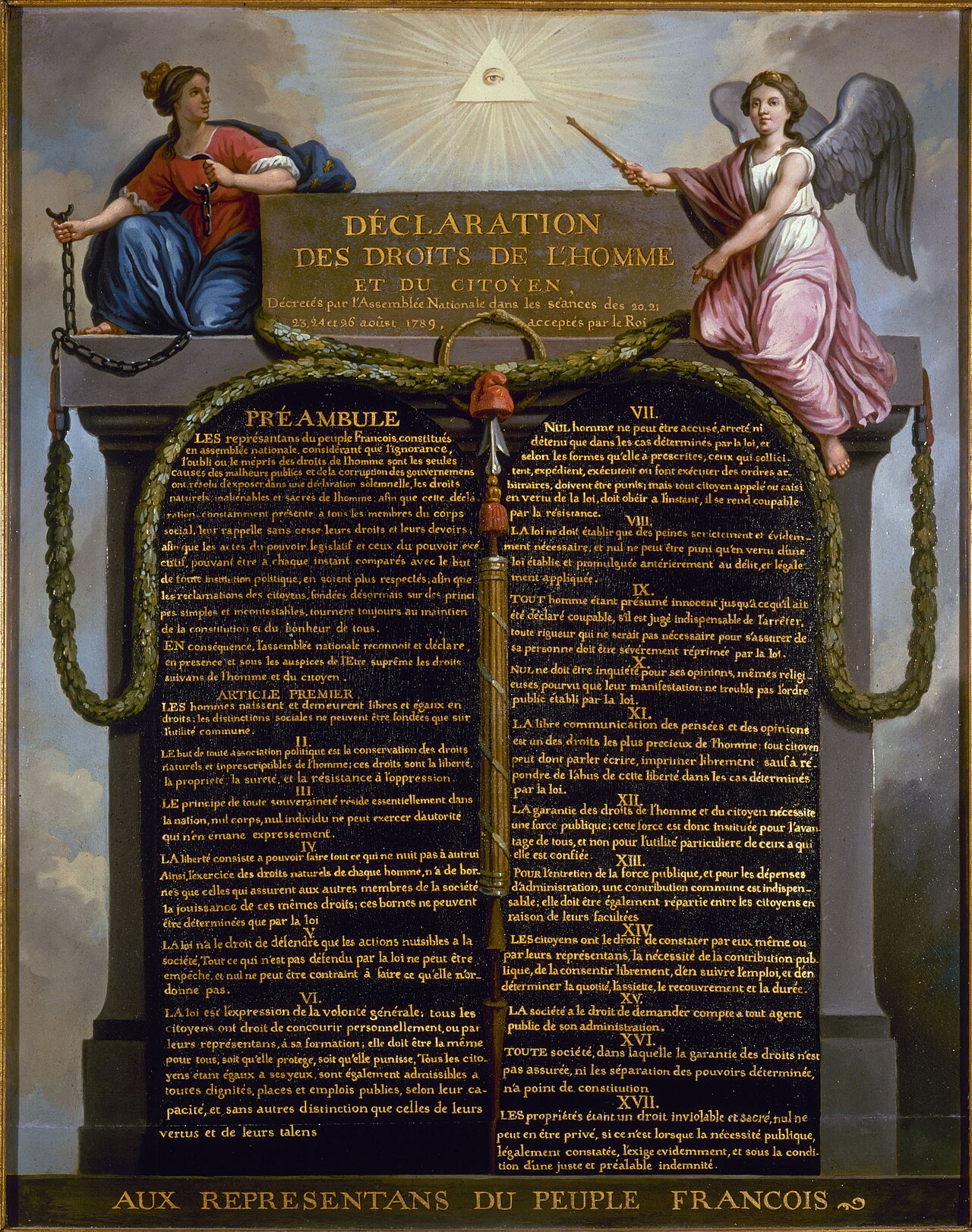
The Enlightenment brought revolution—America in 1776, France in 1789—but the architects of modern democracy deliberately chose representation over direct participation. James Madison, in Federalist No. 10, argued that elected representatives would 'refine and enlarge the public views' better than citizens themselves. Emmanuel-Joseph Sieyès declared that France should be a 'representative government, not a democracy.' For many founders, the word 'democracy' was a term of suspicion, associated with mob rule.

Over two centuries, representation evolved from a practical necessity into a structural filter. Citizens gained the right to choose their governors but lost the channels to co-shape policy between elections. Political parties became gatekeepers. Participation narrowed to a single, episodic act: the vote.

How Bema addresses this

Bema does not aim to replace elected institutions. It creates a complementary participation layer—a permanent civic infrastructure where citizens can propose, deliberate, and build consensus on concrete issues between elections. Think of it as restoring the missing frequencies in the democratic spectrum.

The Declaration of the Rights of Man and of the Citizen, 1789

The people's representatives are not its masters, but its delegates; they cannot conclude anything definitively.

Act II — The Crisis
03

People Are Not Tired of Democracy—They Are Tired of Powerlessness

In survey after survey, citizens in established democracies express deep dissatisfaction—not with the idea of democracy, but with how it works in practice. Trust in parliaments, parties, and public institutions has reached historic lows across Europe and the Americas. The Eurobarometer consistently shows that while over 80% of EU citizens value democracy in principle, fewer than 50% are satisfied with how it functions in their country.

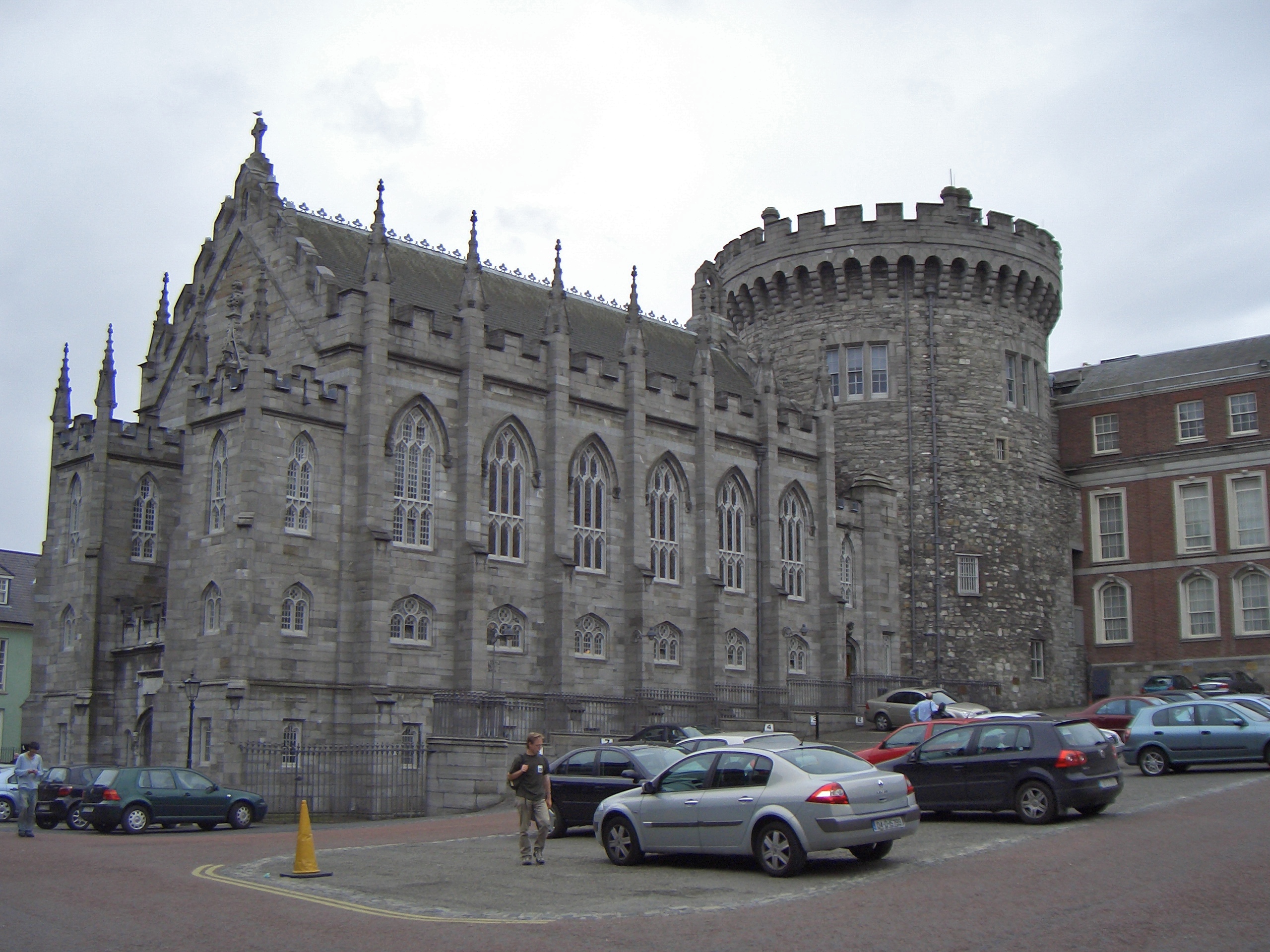
Many observers diagnose 'participation fatigue,' but the evidence tells a different story. When participation is symbolic—when citizens are consulted but their input vanishes into institutional void—engagement drops. But when participation is meaningful and binding, people respond with surprising deliberative quality. Ireland's Citizens' Assembly (2016–2018) showed that randomly selected citizens, given structured time and information, could tackle issues as complex as abortion rights and climate policy with nuance that elected legislators had avoided for decades.

The real crisis is not civic incapacity. It is the absence of channels that convert citizen contributions into visible, traceable decisions. People disengage not because they do not care, but because the feedback loop between effort and outcome is broken.

How Bema addresses this

Bema addresses the feedback gap directly: the Sovereignty Fund requires that partner institutions commit real resources before the platform launches. The top proposal each cycle must be implemented. Participation has teeth. Citizens can trace the direct line from their idea to real-world action.

Dublin Castle, site of the Irish Citizens' Assembly

The cure for the ills of democracy is more democracy.

04

From a Single Act to a Living Practice

Political theorist Benjamin Barber distinguished between 'thin democracy'—where citizenship is reduced to periodic voting—and 'strong democracy,' where citizens are continuously engaged in deliberation and decision-making. Carole Pateman argued that participation itself is educative: the more people participate in decisions that affect them, the better they become at it. These thinkers saw democracy not as a fixed system, but as a muscle that atrophies without exercise.

In thin democracy, citizens are spectators who occasionally become actors on election day. In thick democracy, participation is distributed across time—through recurring spaces for proposals, debate, follow-through, and accountability. It does not require everyone to participate always, but it ensures that anyone who wants to can do so with real impact and predictable rules.

The digital revolution was supposed to thicken democracy. Instead, social media gave us infinite expression with zero decision-making power. We can share, like, and comment endlessly, but these acts carry no institutional weight. The challenge is not more platforms for speech—it is platforms where speech connects to action.

How Bema addresses this

Bema creates a thick democratic layer: monthly proposal quotas force reflection over impulsiveness, conviction voting rewards sustained support over viral spikes, and the escalation mechanism ensures proposals with genuine consensus reach institutional decision-makers with binding commitments.

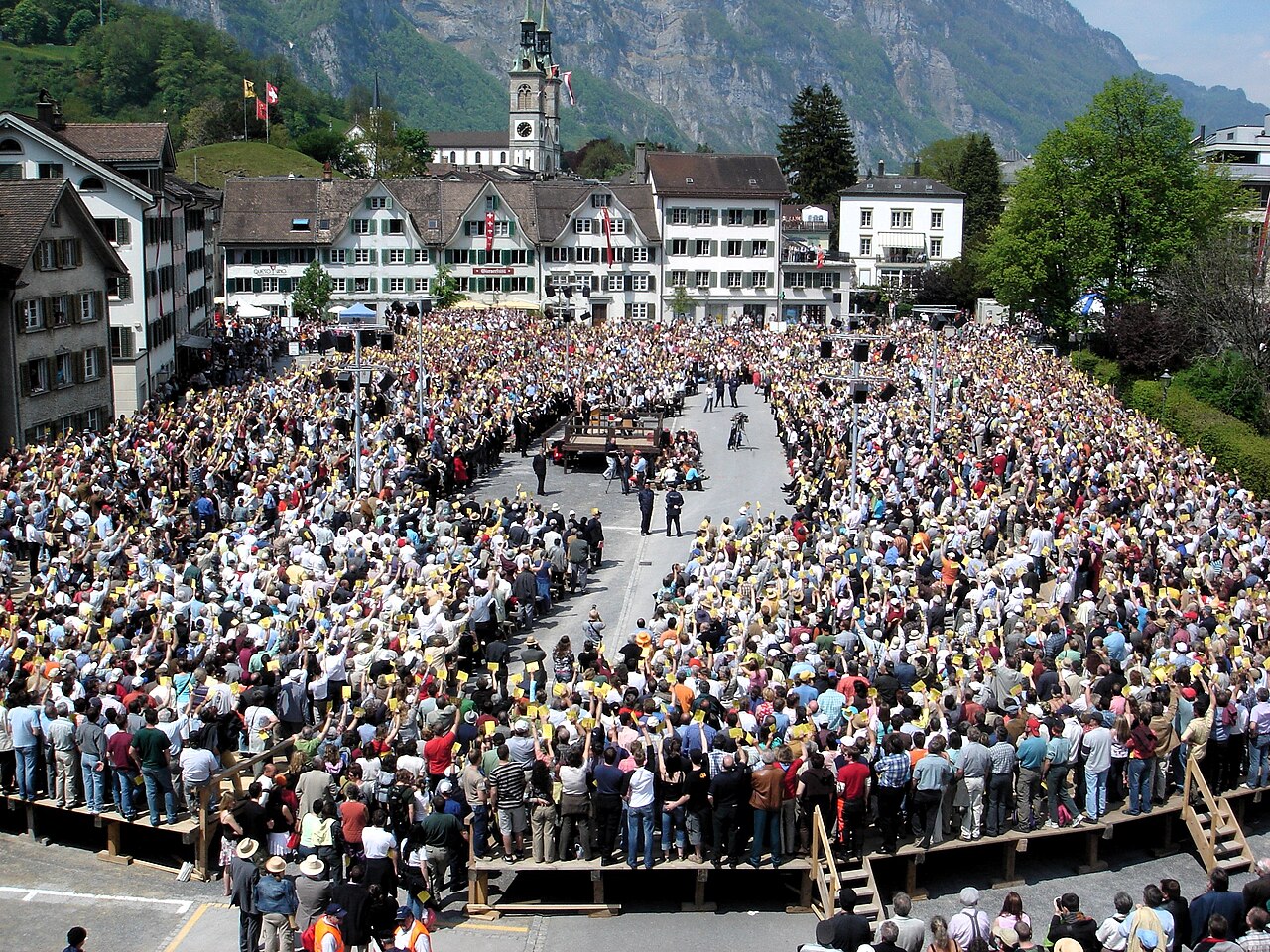
Landsgemeinde in Glarus, Switzerland — citizens' open-air assembly

Strong democracy is the politics of amateurs, where every person is compelled to encounter every other person without the intermediary of expertise.

Act III — The Renaissance
05

The Thinkers Who Saw Another Way

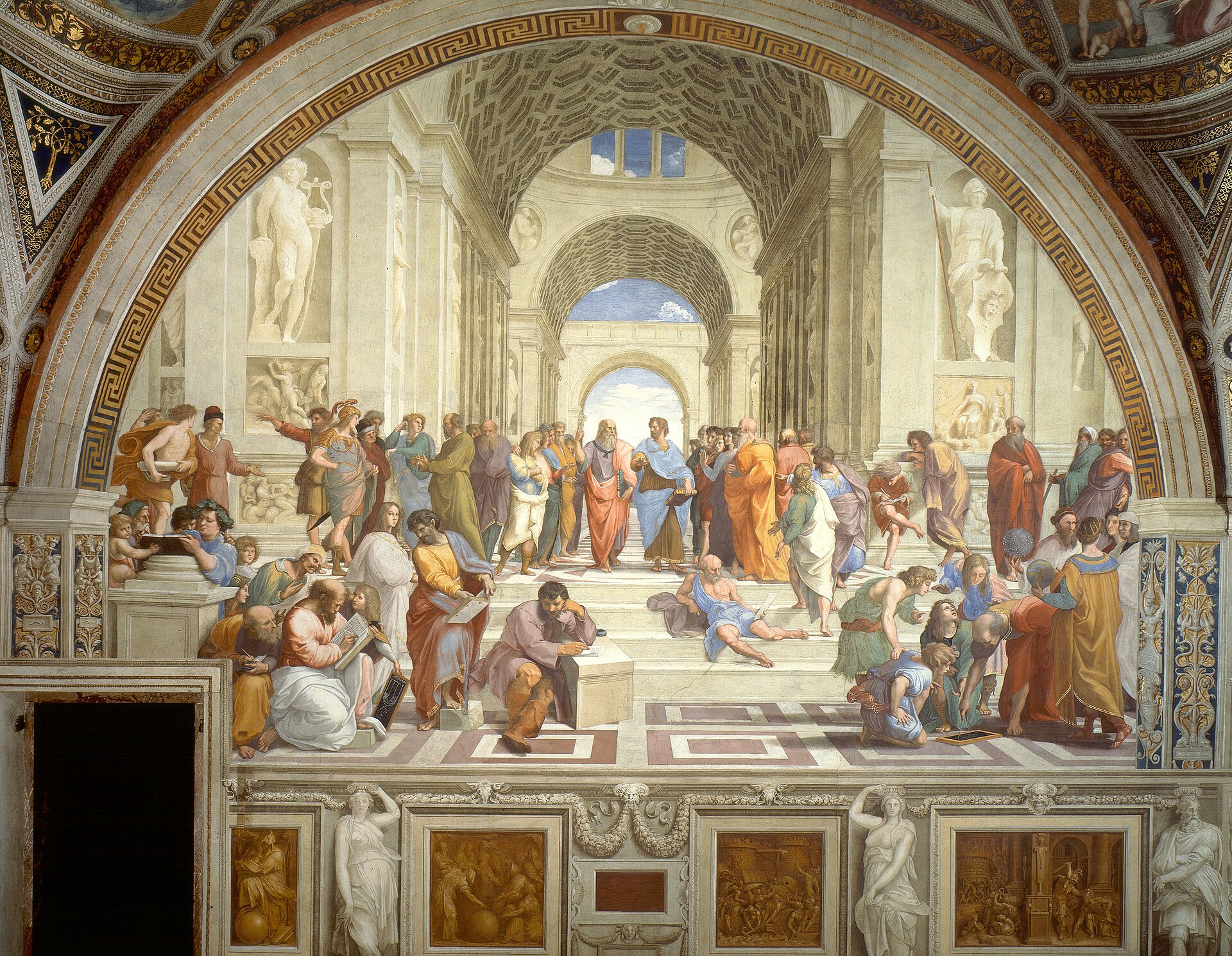
In the late 20th century, a wave of political philosophers began articulating alternatives. Jürgen Habermas developed the theory of communicative action, arguing that legitimate political decisions emerge from reasoned public deliberation among free and equal citizens—not merely from aggregating pre-formed preferences through votes. His concept of the 'public sphere' described the communicative space where citizens form opinions through rational discourse.

James Fishkin invented Deliberative Polling: bring a random sample of citizens together, give them balanced information and time to discuss, then measure how their opinions shift. The results were striking. People did not become more polarised; they became more nuanced. Hélène Landemore argued that cognitive diversity—the variety of perspectives in a group of ordinary citizens—often produces better collective decisions than small panels of experts.

These ideas did not stay in the academy. They seeded real-world experiments across four continents: citizens' assemblies, participatory budgets, consensus conferences, and digital deliberation platforms. The deliberative turn demonstrated that ordinary citizens, given the right conditions, can handle complexity that representative institutions avoid.

How Bema addresses this

Bema's moderation by sortition directly implements Fishkin's insight: randomly selected panels evaluate proposals blindly, reducing ideological bias. The 'reading friction' mechanism (you must scroll and spend time reading before you can vote) ensures moderators genuinely engage with content. Future versions will implement steelmanning—requiring you to demonstrate understanding of an opposing argument before you can challenge it.

The School of Athens by Raphael — allegory of philosophical dialogue

Under the right conditions, ordinary citizens can deal with complex public issues as effectively as—or more effectively than—political elites.

Act III — The Renaissance

Living Laboratories of Democracy

The ideas of the deliberative renaissance are not just theory. Around the world, countries and communities have been running bold democratic experiments—each offering lessons for what a comprehensive civic platform could look like.

  • Switzerland

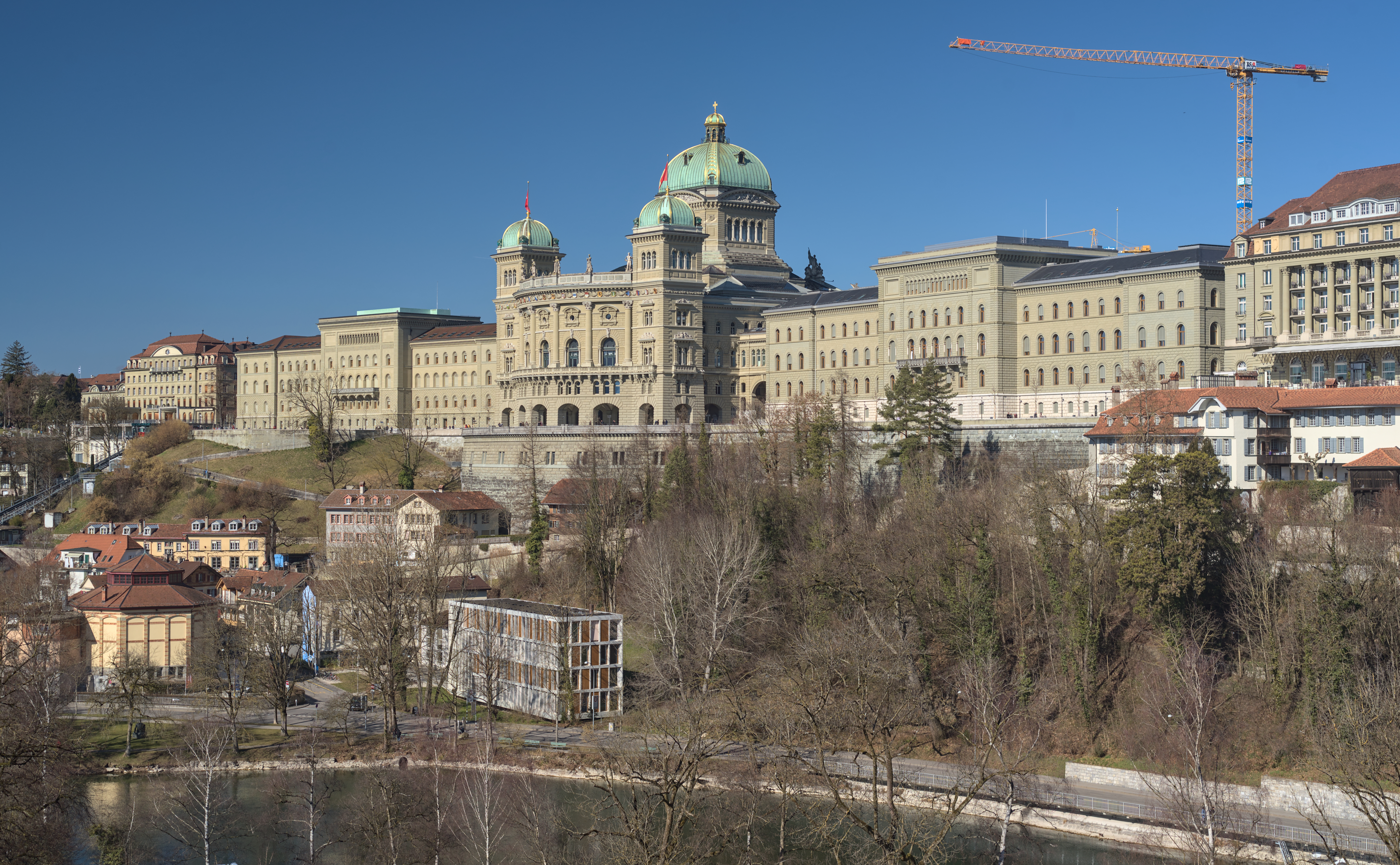
    Since 1848, Swiss citizens have voted in referendums at federal, cantonal, and municipal levels. With the world's most extensive direct democracy, Switzerland averages four referendum dates per year. Far from producing chaos, the system has fostered one of the world's most stable and prosperous societies. The Landsgemeinde, an open-air assembly where citizens vote by raising their hands, still takes place in two cantons—a living link to ancient democratic practice.

    Read more
  • Estonia

    After regaining independence in 1991, Estonia built the world's most advanced digital governance infrastructure. Citizens can vote online, file taxes in minutes, access medical records, and launch businesses—all through a unified digital identity. By 2024, over 51% of Estonian voters cast their ballots electronically. Estonia proved that digital public infrastructure, built on transparency and interoperability, can dramatically increase civic participation without sacrificing security.

    Read more
  • Ireland

    The Irish Citizens' Assembly (2016–2018) brought 99 randomly selected citizens together to deliberate on constitutional questions that elected politicians had dodged for decades. Their recommendations on marriage equality and reproductive rights led to landmark referendums that transformed Irish society. The process proved that sortition can break political deadlocks and produce recommendations with deep popular legitimacy.

    Read more
  • Taiwan

    After the Sunflower Movement of 2014, civic technologist Audrey Tang and the g0v community built vTaiwan, a platform combining Pol.is (opinion clustering), structured online deliberation, and face-to-face meetings. It has successfully resolved contentious issues like ride-sharing regulation. Taiwan's approach demonstrated that technology designed for consensus—rather than engagement metrics—can reduce polarisation instead of amplifying it.

    Read more

The Bema synthesis

Bema does not copy any single model. It synthesises lessons from all of them: Switzerland's recurring participation rhythm, Estonia's digital-first infrastructure, Ireland's sortition methodology, and Taiwan's consensus-seeking technology.

A Brief Timeline of Democratic Innovation

Act IV — The Platform

The Bema Synthesis: Ancient Wisdom, Modern Design

Bema is not a social network and not a complaint inbox. It is a digital ecosystem designed from first principles to bridge the gap between citizens and institutions—drawing on the democratic mechanisms of Athens, the deliberative insights of Habermas and Fishkin, and the practical evidence from Switzerland, Estonia, Ireland, and Taiwan.

The design philosophy rests on five pillars, each addressing a specific failure of existing participation tools:

Scarcity as value

Participation resources (proposal quotas, support votes) are deliberately limited. This forces reflection, eliminates spam by design, and ensures every contribution carries weight—the way ancient Athens limited speaking time at the Assembly.

Structural depolarisation

Proposals are evaluated blindly. Moderators do not know who wrote an idea, attacking ideological bias at its root. In the future, blind authorship will extend to all phases, ensuring ideas are judged on merit alone.

Sortition democracy

Moderation is handled by rotating panels of citizens chosen by lottery—not volunteers, not self-appointed experts, not platform employees. This prevents moderator elites and echoes the Athenian principle that public duties belong to all.

Guaranteed real impact

Bema is not a poll. The partner institution must commit a Sovereignty Fund before the platform launches. The winning proposal must be executed. If the institution marks a proposal as 'completed,' the community can reopen it for non-compliance.

Simple surface, robust depth

Users see a clean interface: write an idea, support proposals you believe in, and check outcomes. Behind that simplicity lies an architecture designed for worst-case scenarios—brigading detection, minority protections, and transparent audit trails.

The Stoa of Attalos in the Athenian Agora — rebuilt as a civic space

How It Works in Practice

Each mechanism in Bema addresses a specific democratic failure that history has documented. Here are the key building blocks:

Monthly Proposal Quotas

Each citizen has one proposal per month. This scarce resource forces careful thought—no impulsive complaints, no spam. Guided 'thought pills' help structure ideas: What is the problem? What is your solution? Who benefits?

Semantic Duplicate Detection

Before a proposal is published, AI-powered similarity analysis shows existing proposals on the same topic. If you join an existing one instead of creating a duplicate, your quota is returned—rewarding collaboration over fragmentation.

Sortition Moderation with Reading Friction

Seven randomly chosen citizens evaluate each proposal blindly. The vote buttons remain locked until the system detects genuine reading (scroll completion plus minimum time). If a proposal is rejected, the author receives constructive feedback with specific reasons.

Conviction Voting

Citizens have a finite monthly attention budget (not infinite likes). Support that is sustained over time grows in weight—rewarding genuine conviction and punishing last-minute viral campaigns. This is inspired by conviction voting models designed to resist brigading.

Sovereignty Fund & Binding Escalation

When a proposal reaches community consensus thresholds, it escalates to the partner institution, which has pre-committed resources. The winning proposal is not a suggestion—it is an obligation. This is what turns participation from symbolic gesture into institutional action.

Start Where Change Is Tangible

Durable democratic innovation rarely begins at the national level. It starts in neighbourhoods, municipalities, and concrete communities—places where the feedback loop between participation and visible results is shortest. When citizens see that their proposal actually improved the park, fixed the streetlight, or changed a school policy, a participatory identity takes root that no amount of abstract rhetoric can produce.

Bema's pilot strategy is deliberately conservative: launch in a small, motivated environment—a neighbourhood association, a university faculty, a community of 500 to 2,000 members. Prove that guided participation generates real commitment. Then, and only then, scale outward. The planned future features (zero-knowledge privacy, dynamic thresholds, geographic participation zones) are designed to carry the system from a single community to a metropolitan area—but only after the foundations are solid.

This incremental approach is not a limitation. It is a strategy. As the political scientist Elinor Ostrom demonstrated through decades of fieldwork, small-scale self-governance often outperforms top-down design because the people closest to the problem know it best.

How Bema addresses this

The pilot launches with core mechanisms only: proposal quotas, sortition moderation, conviction voting, duplicate detection, and the Sovereignty Fund. Advanced features like AI-assisted equity, liquid delegation, and zero-knowledge proofs are built into the architecture but activated only after the pilot proves that participation generates genuine commitment.

Seedlings growing — a metaphor for local-first democratic innovation

A resource arrangement that works in practice can work in theory.

Eyes Wide Open: Real Risks, Not Utopias

A serious democratic reform cannot pretend that good intentions are sufficient. History is full of participation experiments that failed because they ignored hard realities. Majority tyranny can oppress minorities. Disinformation can poison deliberation. Digital platforms can exclude those without connectivity or digital skills. Techno-solutionism can reduce complex social problems to engineering puzzles. And entrenched power will always resist redistribution.

Bema's answer is layered defence. The platform includes structural safeguards: blind evaluation reduces mob dynamics; sortition prevents capture by zealots; the attention budget limits brigading; and the panic button allows communities to fast-track genuinely urgent proposals. Beyond the platform, binding agreements with partner institutions provide legal scaffolding, and in-person support channels ensure that no citizen is excluded for lack of digital access.

Technology alone is never sufficient. Culture, institutions, and human judgment must remain at the centre. Bema aspires to be a tool that strengthens democratic habits—not a replacement for the hard, slow, essential work of building civic trust.

The Roman Forum — a reminder that republics can fall when institutions weaken

This Is Not a Manifesto. It Is an Invitation.

Democracy is not a finished product. It is a continuous experiment—one that each generation must renew. Bema does not claim to have all the answers. It claims that the questions matter: How do we judge ideas on merit? How do we make participation meaningful? How do we turn consensus into action?

The tools exist. The evidence is there. What remains is the will to try—starting small, learning honestly, and building together.